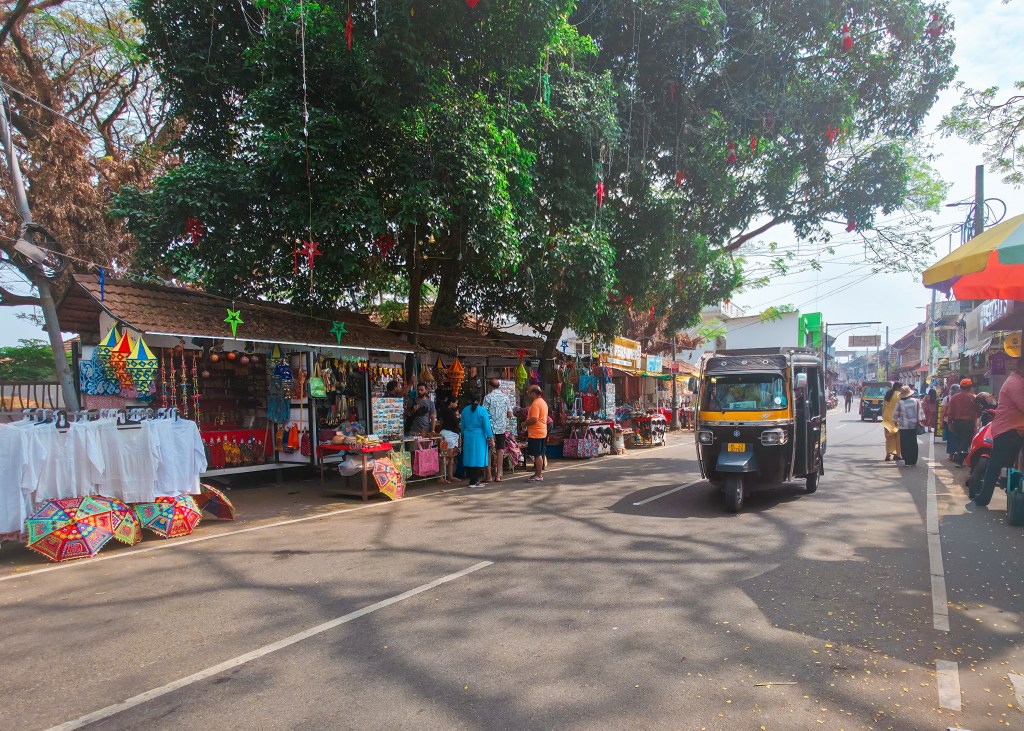
In researching India I found a lot of commentary about the noise. There’s a lot of honking. Seeing it for myself, I learned it isn’t frustration; it’s communication — a warning it’s not safe to pull out, a signal of intention, a system that people understand.
It was my first glimpse of something I would notice again and again throughout my trip: what can seem chaotic at first glance often has its own logic underneath.
For a first-time visitor, Fort Kochi is a good introduction to India.
The coastline stretches along the edge of the city. Shoreline pathways and auto rickshaws make it easy to move between neighbourhoods where cafés, small shops, and historic buildings sit side by side.
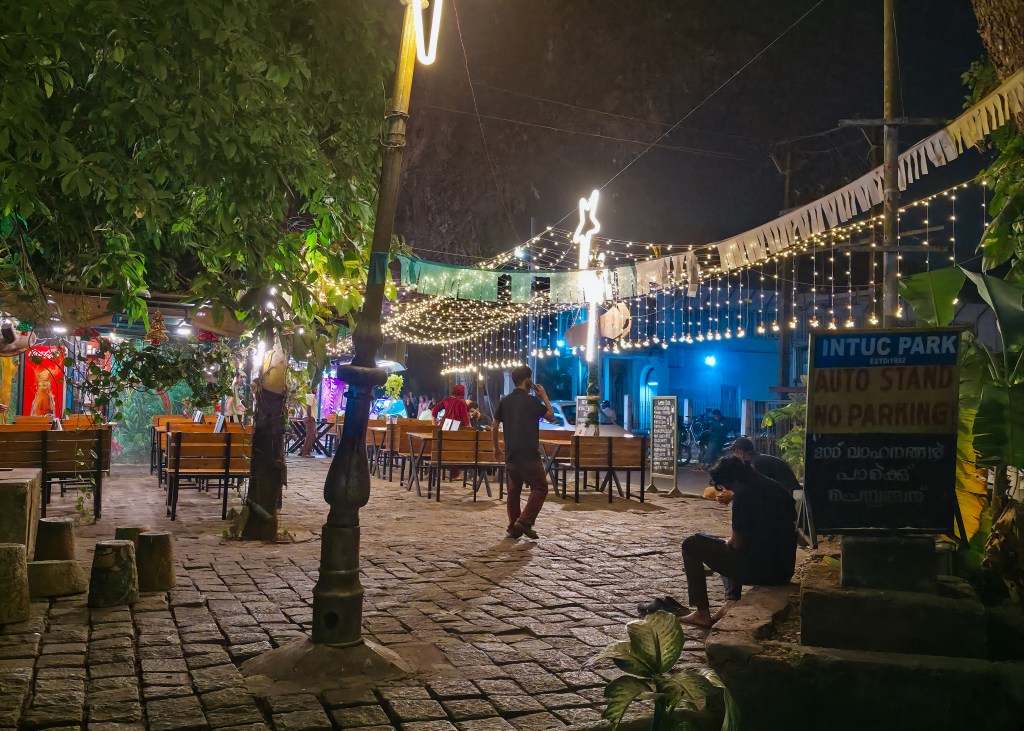
In the evenings people gather along the waterfront. Families, vendors, couples sit on the beaches watching the light fade. It’s the kind of place where you can sit without an agenda and still feel like you’re part of something.
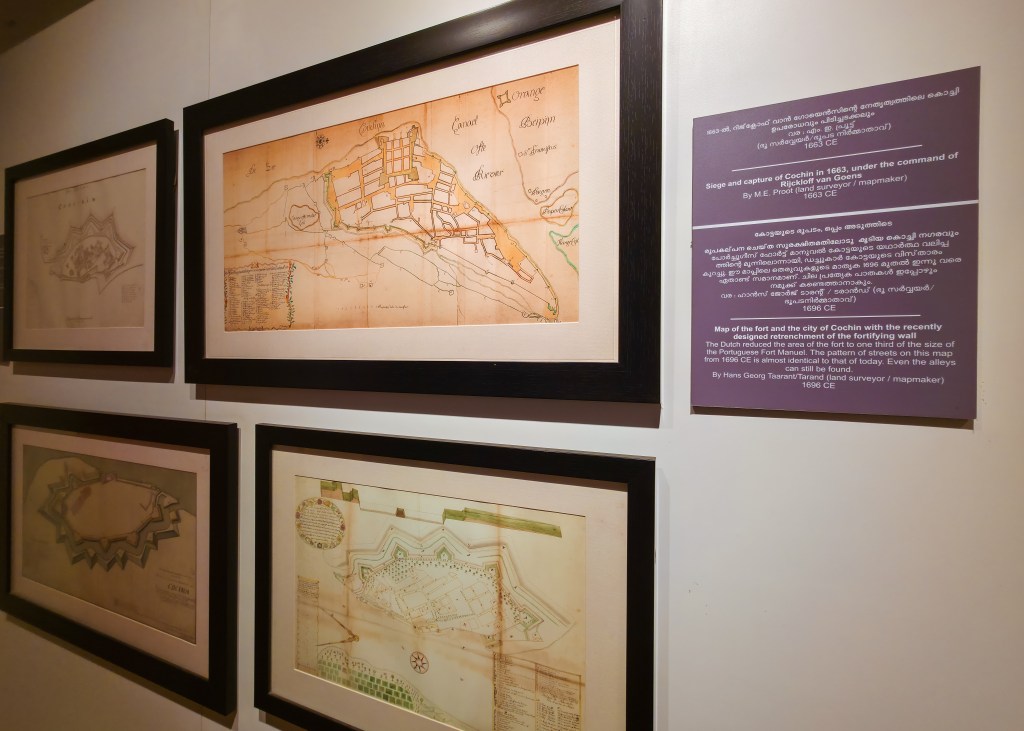
Kochi’s history sits comfortably alongside the present. For centuries Kochi has been shaped by trade, faith and maritime movement, and those layers are still visible today. You can see it up close along the waterfront where the high-tech port of today operates, and you can find it sitting quietly in the background of everyday life.
Walking through the city, traces of Portuguese, Dutch and Jewish influences appear alongside Indian architecture and traditions. The museums scattered through the area reflect that mixture. Some are carefully curated, others more informal, but together they tell the story of this port city.
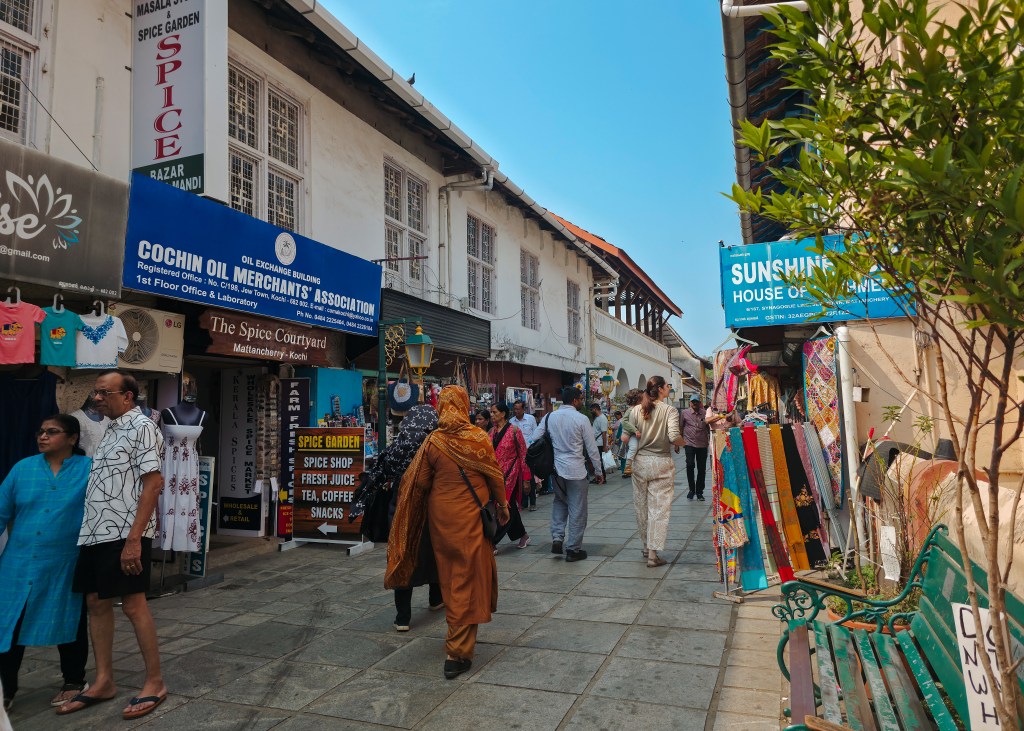
The streets of Jew Town are often photographed, and it’s easy to see why. Colourful shopfronts, antique stores, spice sellers and small markets line the roads. But beyond the main street, everyday life continues in quieter ways. Markets spill onto sidewalks, scooters weave through traffic, and shopkeepers watch the street from shaded doorways.
Fort Kochi is an active tourist hub that isn’t overwhelming and doesn’t feel overrun.
Kochi was where I began to understand how India works. It was my toe in the water before the deeper dive that came later — into denser cities, bigger crowds and stronger contrasts. It’s a place where wandering works well. You don’t need a strict plan. You simply move through it and notice what unfolds.
If you’re curious about India but unsure where to start, Kochi makes sense.
 The Other Seat