If Kochi was where I learned how India works, Thekkady was where I stopped trying to figure anything out at all.
Thekkady isn’t really a place you do. It’s a place you sit in — or a palace you sit in, to be more precise.
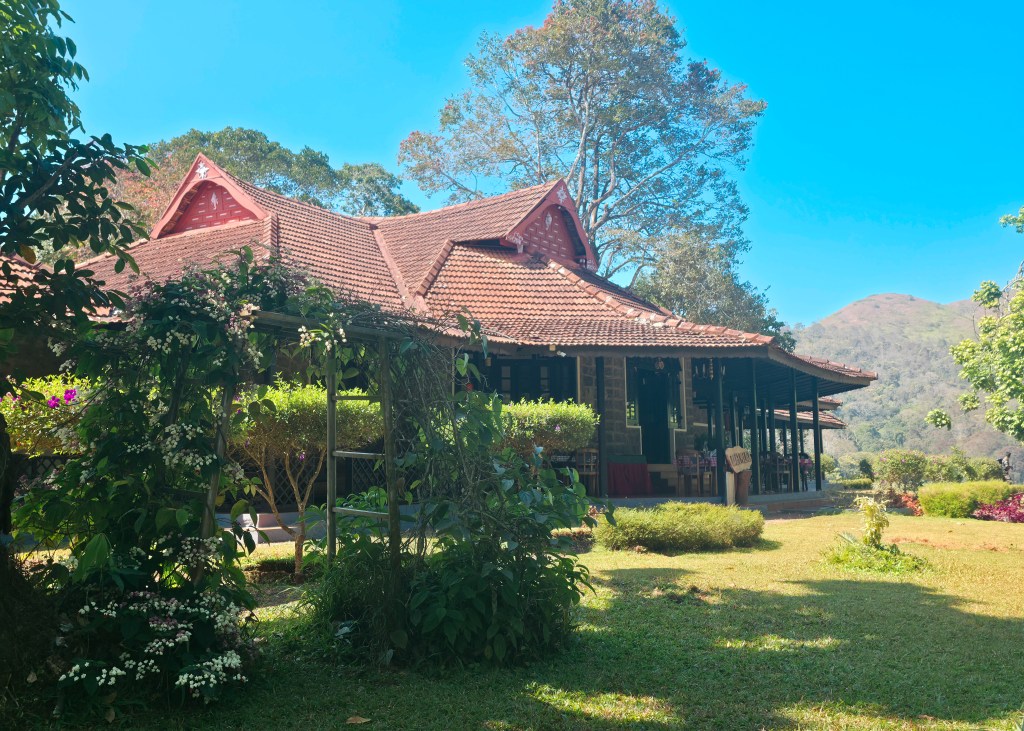
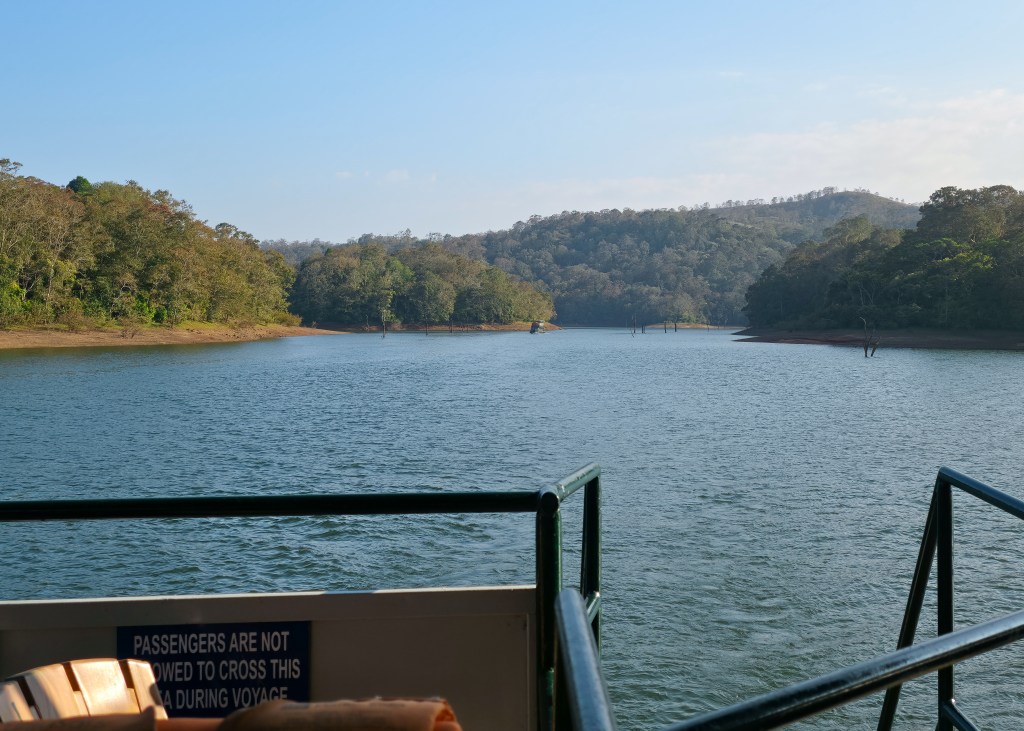
Lake Palace, located in Periyar National Park, was once the summer house of the King of Travancore. There are only six rooms, and it is quiet in a deliberate way.
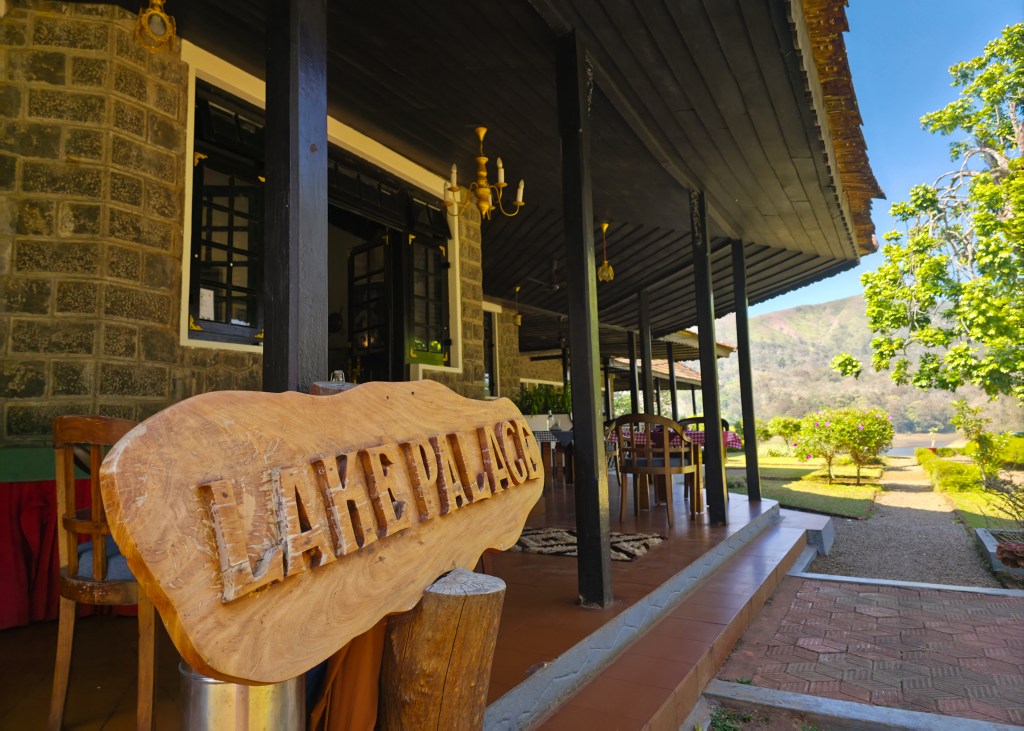
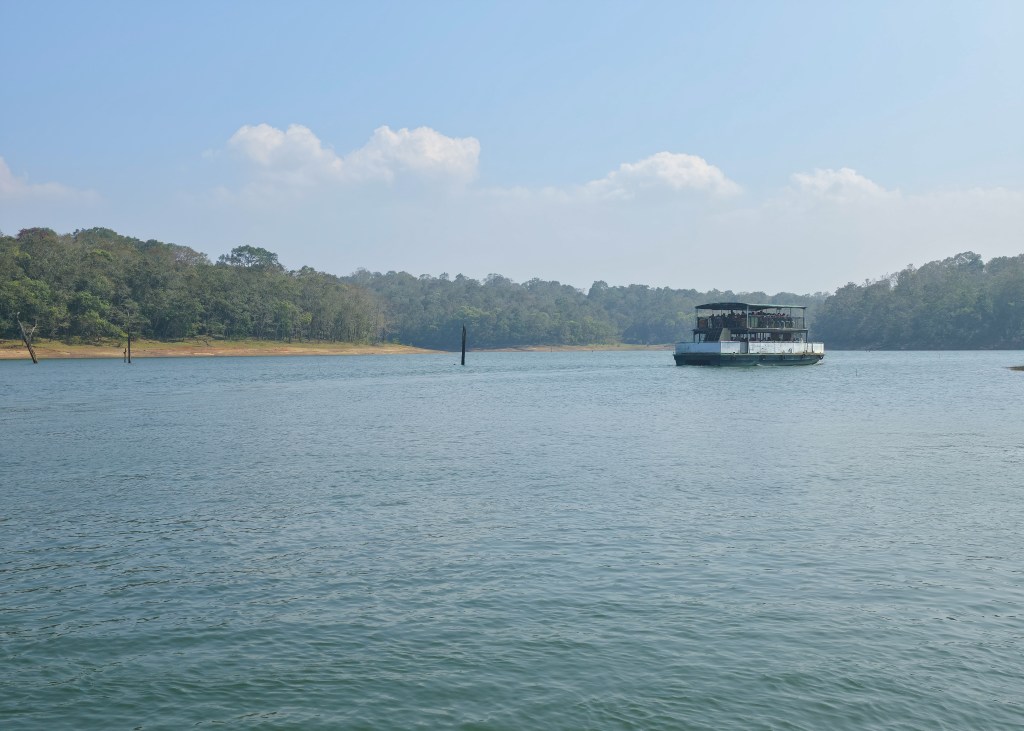
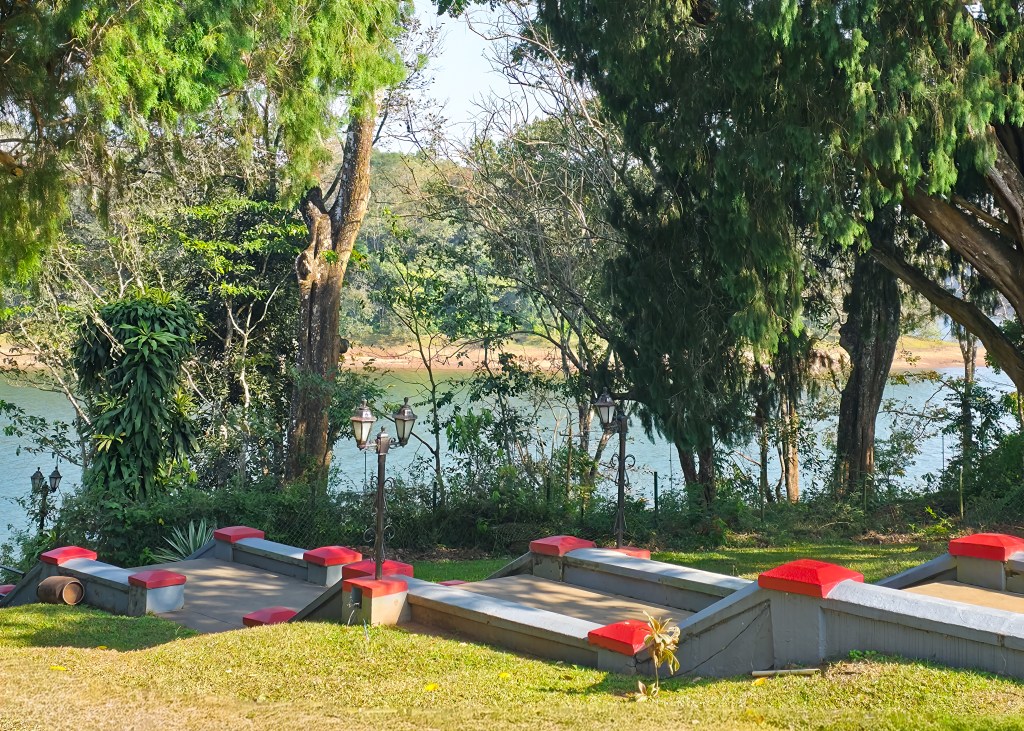
There is the breeze, the occasional hum of the boats, and if you wander back down the steps, the sound of water lapping at the shore.
Though time seems to stop at Lake Palace, it still plays an important role during your stay.
The quiet rhythms that run the palace are still rhythms. Lunch is served at a certain time. Dinner is prepared before staff finish work. Boats leave when they leave.
On my first afternoon, I felt slightly constrained by that. I’d just come from Kochi, where I could wander, eat when I liked, and move at my own pace. Suddenly I was aware of mealtimes again.
By the second day, after asking a few questions about timings, I relaxed into it. I’ve realised I don’t relax well without knowing the boundaries first. Once I understood the rhythm, I could stop thinking about it.
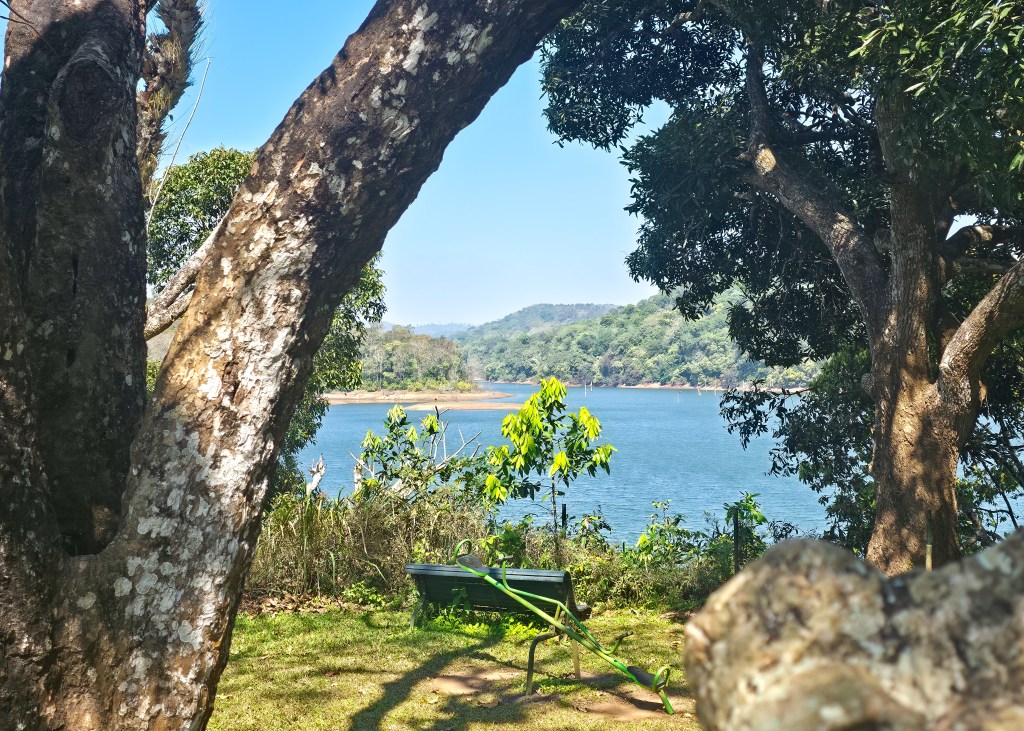
The peace — and the chance to see animals living their lives — were the reason I chose to visit.
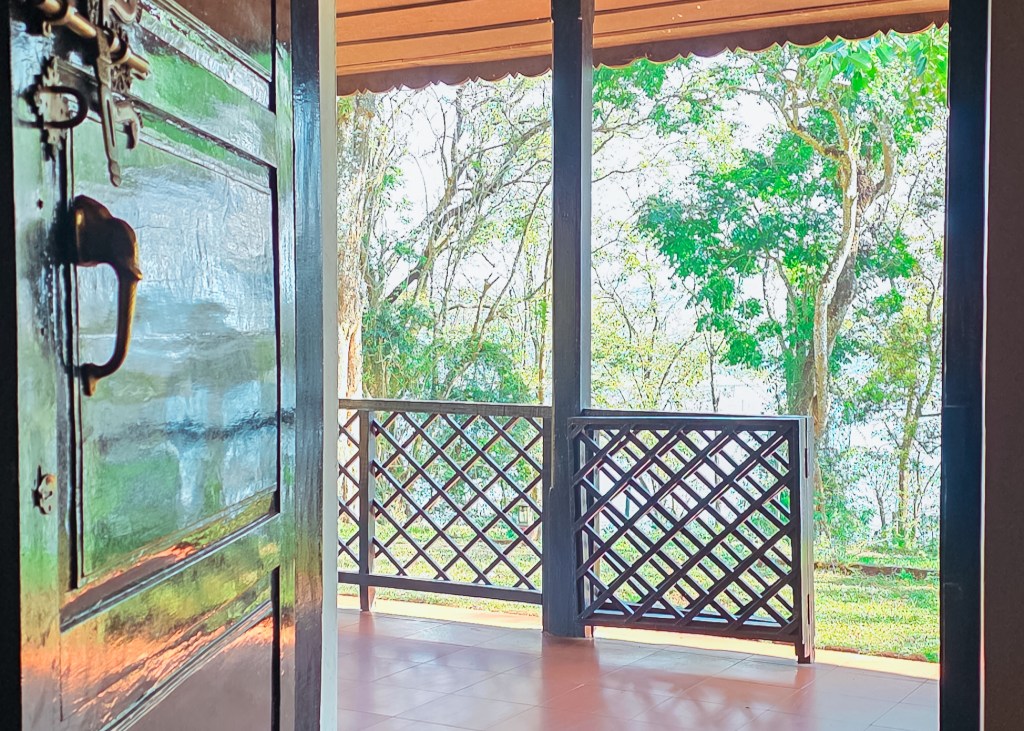
When I first arrived at Lake Palace, the two doors to my room were open. I assumed this was to let the fresh air in and left them that way when I went to lunch.
A staff member hurried over not long after.
“Ma’am, your doors are open. There are wild monkeys.”
I’d seen other animals on the boat ride in, but no monkeys.
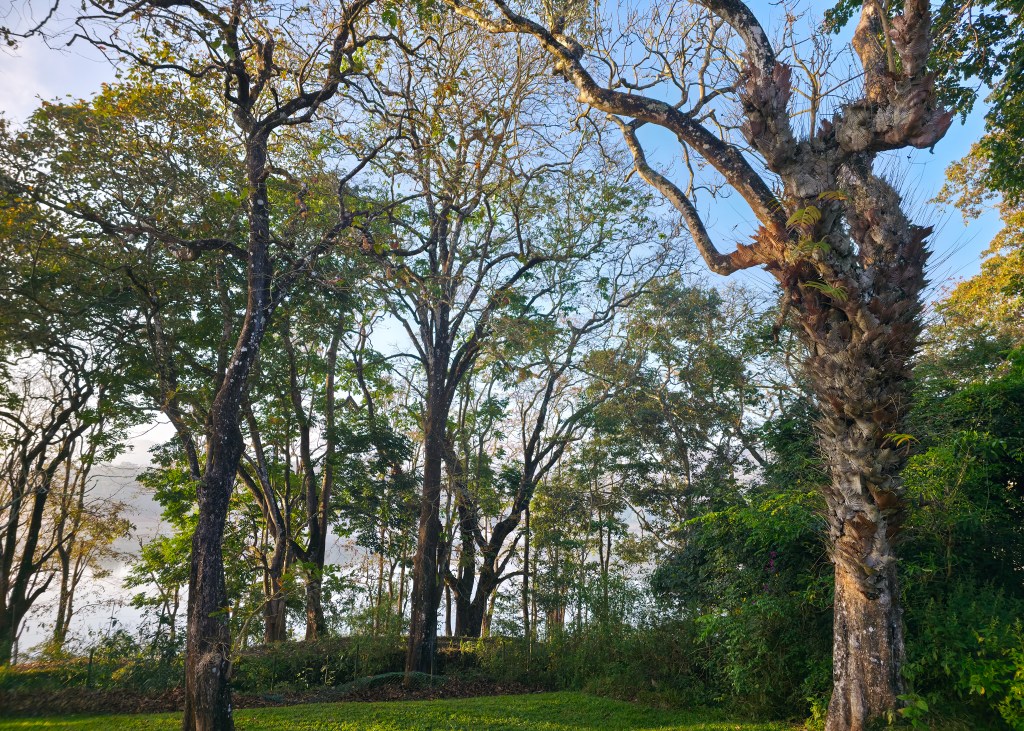
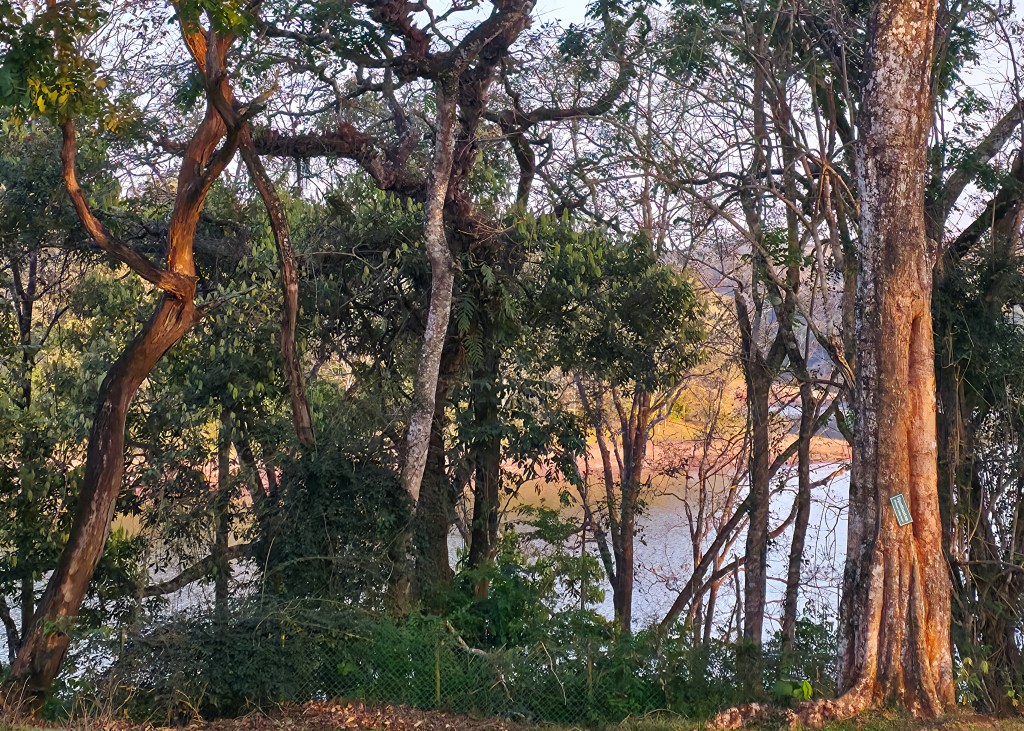
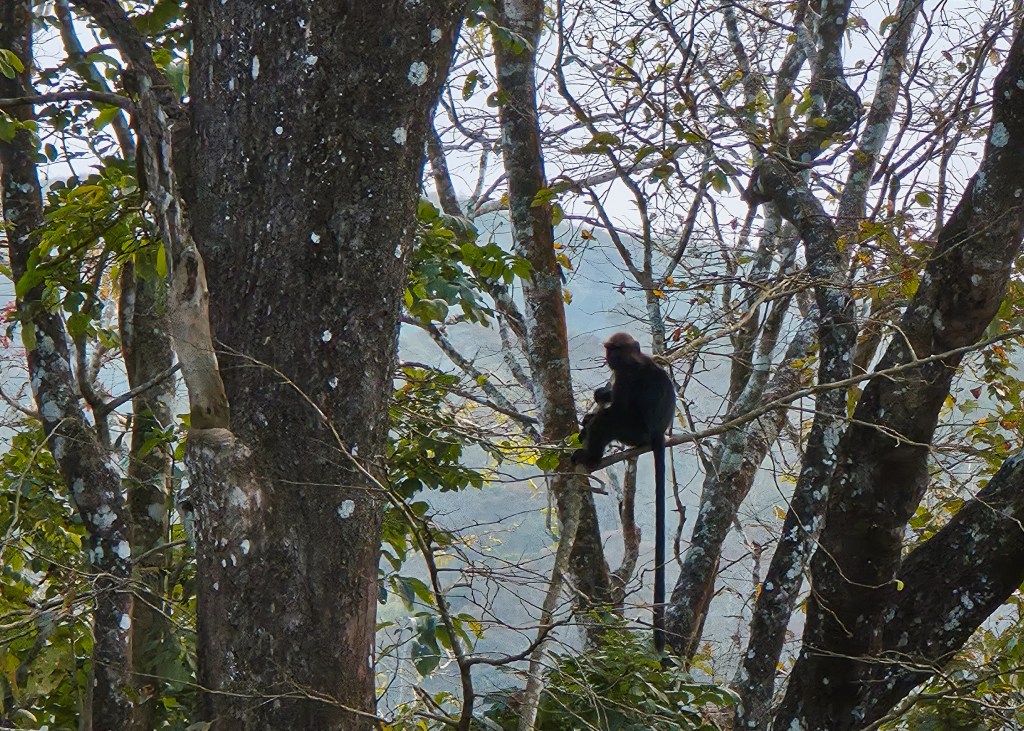
The following afternoon, I was wandering the property photographing the trees when one crossed my path. Soon more appeared from behind the building — fully grown adults and smaller babies moving across the lawns and climbing tree trunks with ease.
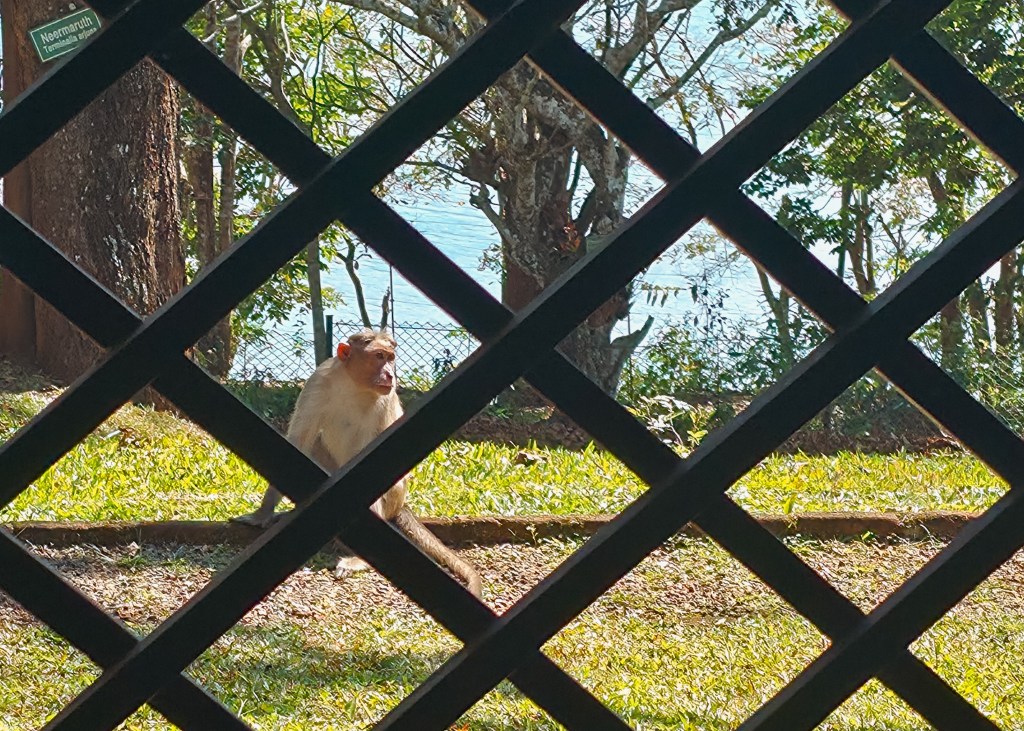
I made myself scarce when one made its way onto my veranda. As it left, it casually tested the door to my room with its back foot to see if it was properly shut.
The earlier warning made sense then!
I sat and watched in awe until the sun started to set. Another group appeared in the trees down by the water, keeping their distance.
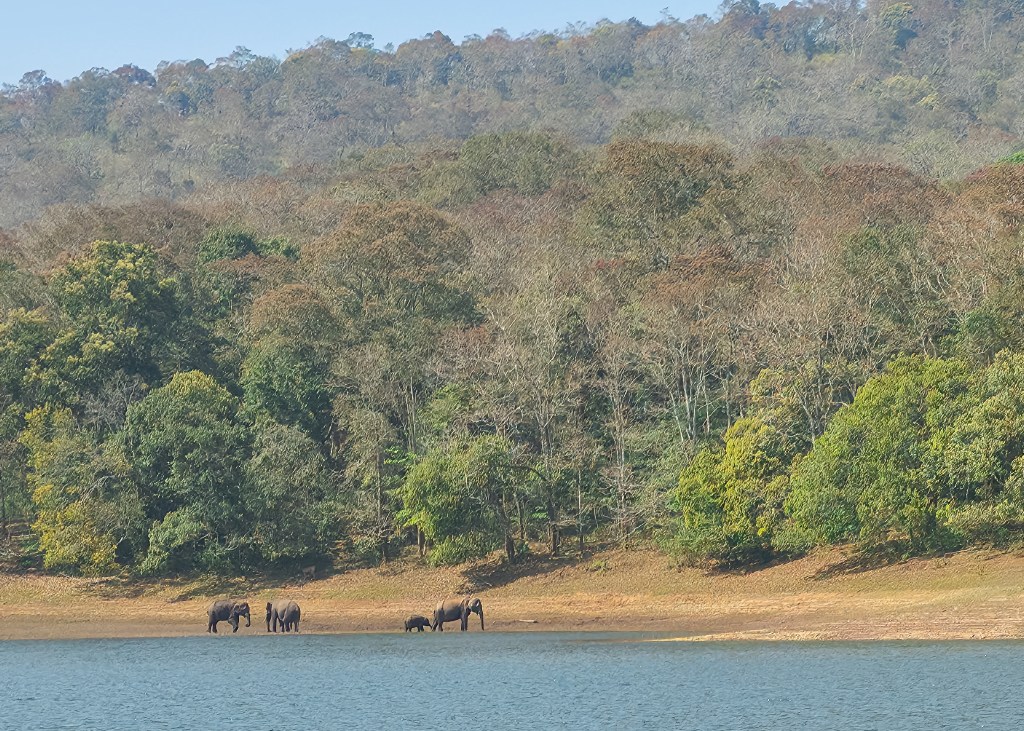
While seeing monkeys up close was incredible, the main appeal for me was the chance to see Asian elephants. I was very fortunate to see a group within the first fifteen minutes on the water even before reaching Lake Palace.
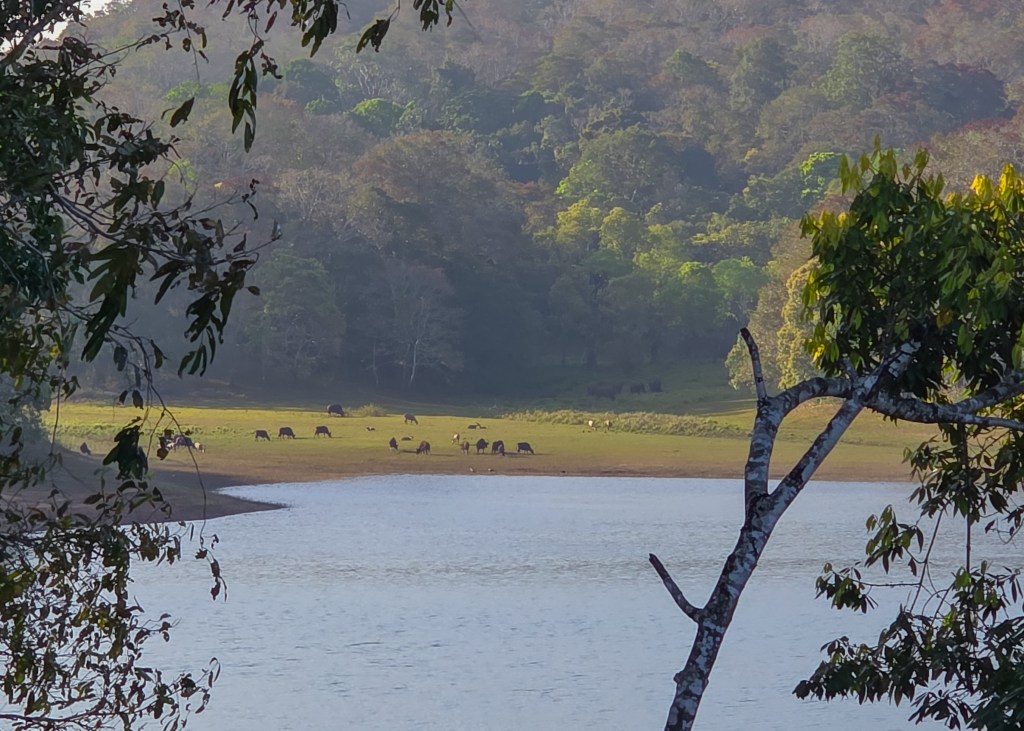
They — along with bison, deer, and birds — were also visible from the grounds.
Though sightings are never guaranteed, they felt constant during my time there. To sit and eat lunch, look up, and see an elephant across the water was an incredible experience.
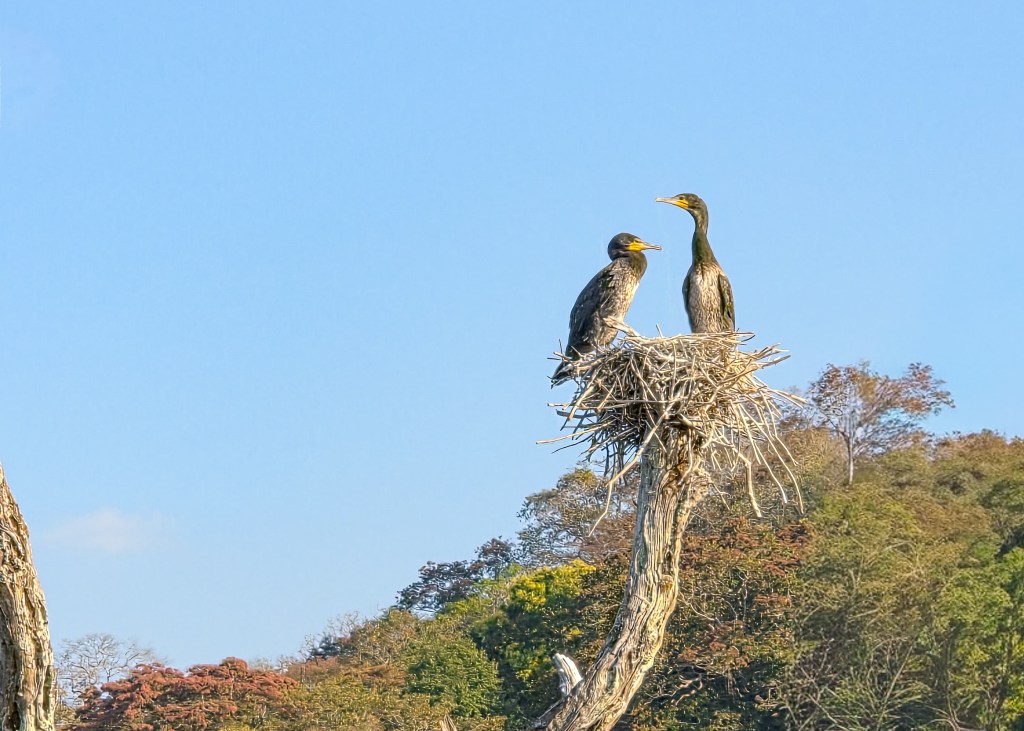
Thekkady isn’t really about doing everything on offer. It’s about having the time to be still.
No list. No pressure to maximise time. No sense that you should be doing more.
You watch the water. You listen for movement in the trees. You close your doors properly.
Kochi was my introduction to India’s systems. Thekkady was my reminder that not everything needs managing.
 The Other Seat